
Apple has consistently advanced sensor technology in its iPhone series, and the jump from the iPhone 13 Pro to the 14 Pro exemplifies this. Both models feature sophisticated sensor arrays, including accelerometers, gyroscopes, and LiDAR scanners, but the 14 Pro introduces subtle improvements in responsiveness and efficiency. The enhanced LiDAR in the 14 Pro delivers faster depth mapping, which benefits photography, augmented reality applications, and even some accessibility features. Meanwhile, the accelerometer and gyroscope updates contribute to smoother motion detection, providing a more precise experience in fitness tracking and gaming.
Users looking to explore the capabilities of these sensors on older devices might consider exploring options for a refurbished apple iphone 13 pro to test sensor-dependent applications without investing in a new model. Similarly, those wanting the latest upgrades may find a refurbished apple iphone 14 pro an opportunity to experience the newest sensor improvements at a more accessible price point.
Safety Features and Crash Detection
Apple introduced a notable safety feature with the iPhone 14 Pro: Crash Detection. This technology leverages the accelerometer and gyroscope to detect severe car accidents, automatically contacting emergency services if the user is unresponsive. The iPhone 13 Pro lacks this function, making the 14 Pro a step forward in emergency preparedness. While both devices include features like fall detection and SOS alerts, the 14 Pro’s integration of multiple sensor inputs ensures faster and more accurate responses in critical situations.
Safety-conscious users can experiment with these features on both devices. For those curious about optimizing their device’s performance for safety applications, it’s helpful to turn on developer mode on your iphone, which allows access to additional diagnostic tools and sensor tests.
Camera System and Sensor Synergy
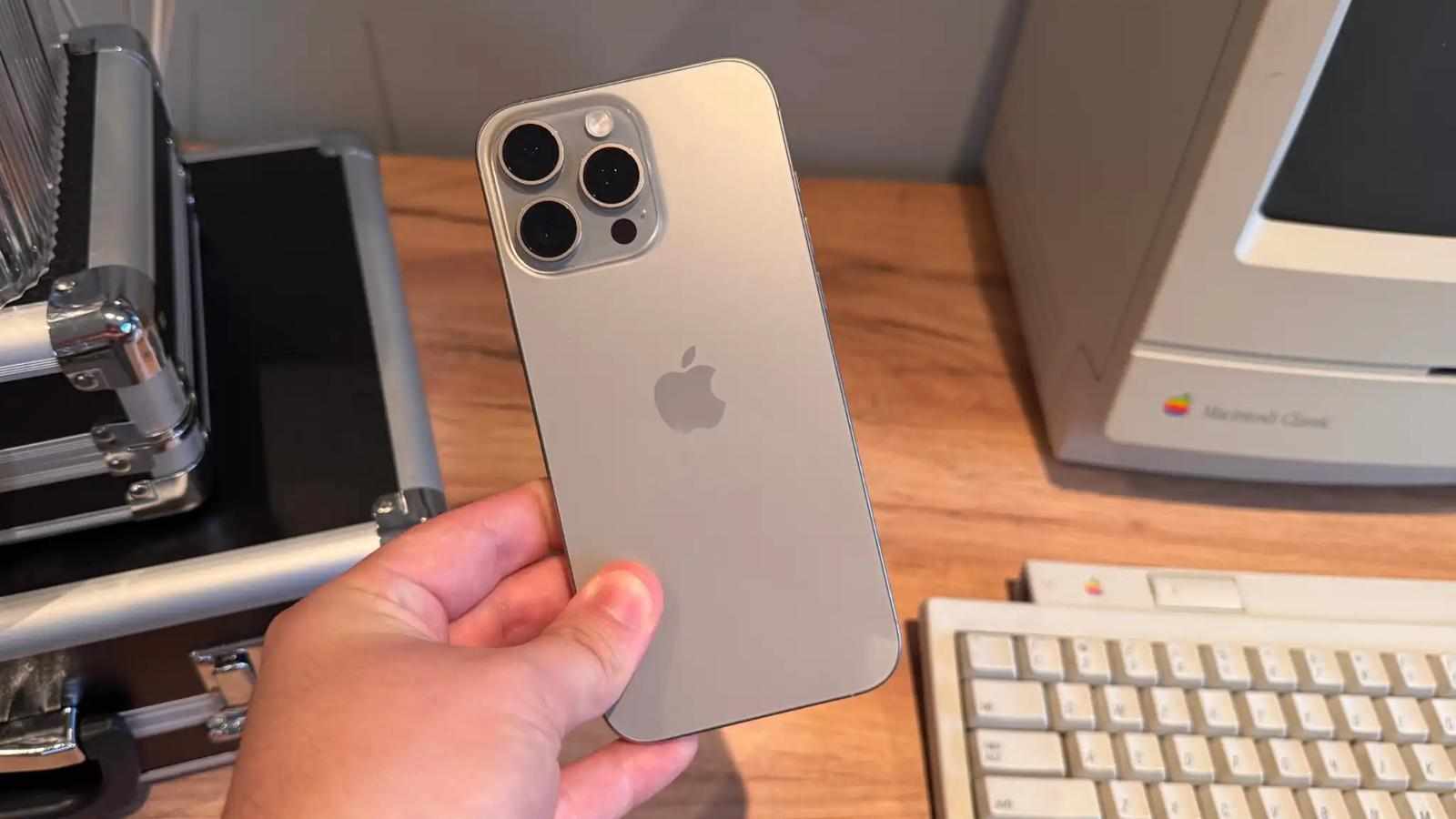
The iPhone 13 Pro and 14 Pro both feature multi-lens camera systems that heavily rely on sensor performance. The 14 Pro, however, introduces an upgraded 48MP main sensor, enhancing low-light performance and overall image clarity. The synergy between the LiDAR sensor and this new main sensor allows for faster autofocus in dim conditions and more detailed portrait effects. Computational photography benefits significantly, as the device’s improved A16 Bionic chip efficiently processes data from these sensors, offering better color accuracy and reduced noise in photos.
Photographers and tech enthusiasts interested in exploring these advancements often compare sensor outputs on pre-owned models. Purchasing refurbished apple iphones in india provides an affordable way to experience high-end sensor performance without committing to the latest hardware.
Power Efficiency and Battery Implications
Sensor upgrades in the iPhone 14 Pro also affect battery life and power management. While the iPhone 13 Pro already performs efficiently, the 14 Pro leverages its improved motion sensors and ProMotion display to optimize power usage dynamically. The new sensors can detect user activity more precisely, allowing the phone to adjust refresh rates and background processes in real time. This results in extended battery life during typical usage scenarios, even with more intensive sensor-dependent tasks.
Charging speeds remain consistent between the two models, with both supporting fast charging and MagSafe accessories. However, the iPhone 14 Pro’s power management system ensures that the device maintains peak performance longer while avoiding excessive energy consumption.
User Experience Enhancements
The real-world impact of sensor improvements is most apparent in day-to-day usage. Scrolling, screen rotation, AR applications, and gaming feel more responsive on the iPhone 14 Pro due to the integration of upgraded gyroscopes and accelerometers. Haptic feedback also benefits from the refined sensors, offering more precise vibrations that align closely with user interactions. While the iPhone 13 Pro remains highly capable, these subtle enhancements contribute to a smoother, more immersive experience on the newer model.
For users who may want to explore these experiences on pre-owned devices, platforms like Easy Phones offer refurbished apple iphone 14 pro options that combine cutting-edge features with cost efficiency.
Software Optimization and Sensor Integration
Both the iPhone 13 Pro and 14 Pro benefit from iOS updates that enhance sensor functionality. The 14 Pro, in particular, utilizes iOS optimizations to fully exploit its new hardware capabilities, including adaptive refresh rates, intelligent brightness adjustments, and improved motion tracking in AR apps. These optimizations ensure that sensor upgrades translate into tangible user benefits, not just spec sheet improvements.
Exploring software enhancements alongside sensor performance can give users a deeper understanding of device capabilities. Accessing developer settings, for instance, can reveal the nuanced ways sensors interact with the operating system. Guides that explain how to turn on developer mode on your iphone help users leverage these advanced insights.
Conclusion
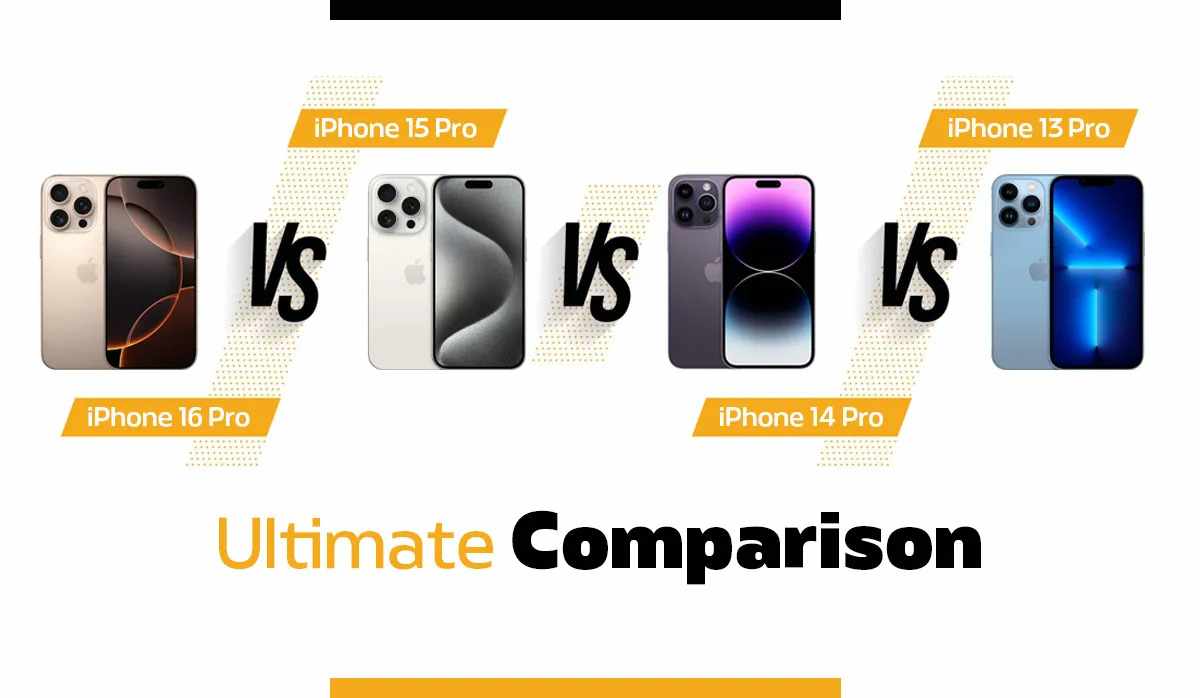
Comparing the iPhone 13 Pro and 14 Pro highlights Apple’s focus on improving sensor technology and safety features. The 14 Pro offers enhanced LiDAR, accelerometer, and gyroscope performance, along with innovative safety functions like Crash Detection. These improvements impact photography, AR experiences, and overall device responsiveness, while also supporting more efficient power usage. Users exploring these differences can benefit from hands-on experience with refurbished apple iphones in india, allowing them to evaluate sensor advancements without committing to a new device. By combining hardware, software, and user-centric optimizations, Apple continues to refine the iPhone experience, making sensor and safety enhancements a core part of everyday mobile use.

Write a comment ...